The Healing Power of Forests: Embracing Nature for Well-being
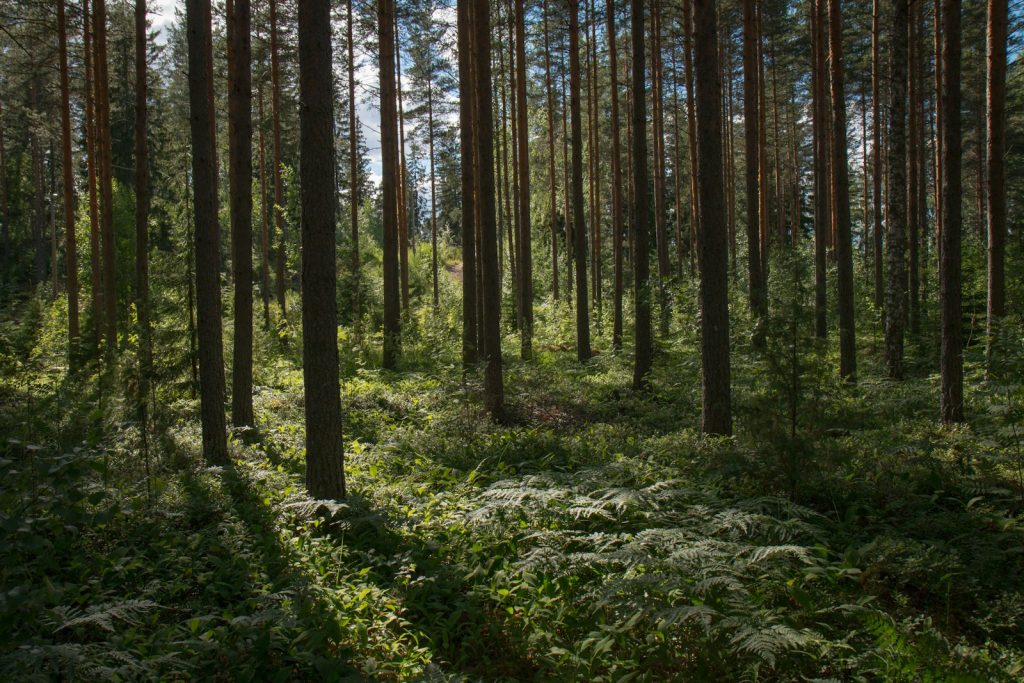
In an era increasingly shaped by urbanization, constant stimulation, and digital saturation, the ancient practice of immersing oneself in forests has begun to re-emerge as a serious subject of interest rather than a nostalgic curiosity. Often referred to as forest bathing, or Shinrin-yoku, this practice involves intentionally spending time in forest environments through walking, quiet observation, meditation, or gentle movement practices such as Qigong. While the idea of forests as restorative spaces has existed across cultures for centuries, contemporary research is now beginning to articulate measurable ways in which time spent among trees supports physical, psychological, and emotional well-being.
Forests offer an environment fundamentally different from the built spaces most people inhabit daily. The density of trees, the layered canopy, the variability of light, and the absence of sharp edges or artificial noise create a sensory landscape that is both complex and calming. Unlike urban settings, which demand constant attention and decision-making, forest environments tend to invite passive awareness. The mind does not need to filter traffic, advertisements, or alerts. Instead, it can settle into observing leaves moving in the wind, birds calling across distances, or the shifting patterns of sunlight on the forest floor. This shift alone appears to have a meaningful effect on stress levels and mental fatigue.
From a neurological perspective, forests engage the senses in a way that supports relaxation rather than vigilance. Natural sounds such as wind, water, and birdsong tend to activate parasympathetic nervous system responses, which are associated with rest, digestion, and recovery. Visually, the predominance of green hues and organic forms appears to reduce cognitive strain compared to environments dominated by straight lines, high contrast, and artificial lighting. Over time, this sensory exposure can help recalibrate stress responses that have become chronically elevated through modern lifestyles.
Beyond sensory effects, forests also offer biochemical interactions that are increasingly well documented. Trees release volatile organic compounds known as phytoncides, which serve defensive and communicative functions within forest ecosystems. When humans inhale these compounds, studies suggest they can influence immune system activity. Research conducted in Japan has shown that individuals who spend extended time in forest environments experience increases in natural killer cell activity, a component of immune function involved in targeting infected or abnormal cells. Notably, some studies indicate that these effects can persist for days or even weeks after forest exposure, suggesting cumulative benefits rather than fleeting ones.
This raises an important point: forest bathing is not about exercise intensity or productivity. It is not a replacement for cardiovascular training or strength work, nor does it require structured goals. Its value lies precisely in its slowness. Walking at an unhurried pace, pausing frequently, and allowing attention to drift gently from one sensory experience to another appears to be central to its effects. In this sense, forest bathing stands in quiet opposition to the efficiency-driven mindset that dominates much of modern health culture.
Practices such as meditation and Qigong integrate naturally into forest environments, amplifying their benefits. Forests provide a setting that makes mindfulness easier rather than harder. The absence of constant interruptions allows attention to rest on breath, movement, or bodily sensation without sustained effort. Qigong, with its emphasis on slow, deliberate movement and internal awareness, aligns especially well with forest spaces. The practitioner is not simply exercising but attuning to rhythm, balance, and breath within a living environment that reinforces those same qualities.
Emotionally, forest immersion often supports a sense of grounding and perspective. Many people report feeling less preoccupied with personal anxieties and more connected to something larger than themselves when spending time in forests. This is not necessarily a mystical experience; it may simply reflect a temporary loosening of self-referential thought patterns. When the environment does not constantly mirror human activity or demand performance, the mind can rest from its usual loops of planning, worrying, and self-evaluation.
Forests also play a meaningful role in social and communal well-being. Group walks, guided forest therapy sessions, or shared meditation practices create low-pressure opportunities for connection. Unlike social interactions centered around consumption or productivity, forest-based gatherings tend to encourage presence rather than performance. Conversations unfold more slowly, silences feel less awkward, and shared attention toward the environment often reduces interpersonal tension. For many, this fosters a deeper sense of belonging and mutual ease.
Importantly, the benefits of forest immersion are not limited to pristine wilderness or remote locations. Even modest forested areas, urban green belts, or well-maintained woodland parks can provide many of the same effects when approached with intention. What matters most is not scale but quality of engagement. Stepping away from screens, minimizing distractions, and allowing sufficient time for the nervous system to shift are more significant factors than the size or fame of the forest itself.
In a broader sense, forest bathing also carries implications for how people relate to environmental stewardship. When forests are experienced not merely as resources or scenery but as sources of tangible well-being, attitudes toward conservation often change. Protecting forests becomes less abstract and more personal. The recognition that human health is intertwined with ecological health encourages a more reciprocal relationship with the natural world rather than one based solely on extraction or management.
In conclusion, forests offer a rare convergence of sensory, physiological, emotional, and social benefits. Through practices such as forest bathing, meditation, and gentle movement, individuals can access a form of restoration that is both ancient and increasingly relevant. In a world shaped by acceleration, noise, and constant engagement, forests provide something quietly radical: an environment that supports health simply by being what it is. Integrating time in forests into modern life is not a retreat from progress but a recalibration, one that acknowledges the enduring relationship between human well-being and the living systems that surround us.
